Antimicrobial resistance: Impacting on human and animal health

A recent report by Citi Research outlined the projected impact of Antimicrobial resistance (AMR) on human health and its associated economic impact, alongside how companies, including INDICAL, are helping to mitigate this (1).

The World Health Organization (WHO) ranks antimicrobial resistance (AMR) as one of the top 10 threats to global public health (2). The use of antibiotics in agriculture is widely recognized as a significant contributing factor to AMR, with the link between antibiotic use in farming and resistance in human infections well documented.

Reducing the use of antibiotics to prevent diseases conversely increases the demand for vaccines, as well as accurate disease testing – which is where INDICAL comes in.


Antibiotics in livestock farming

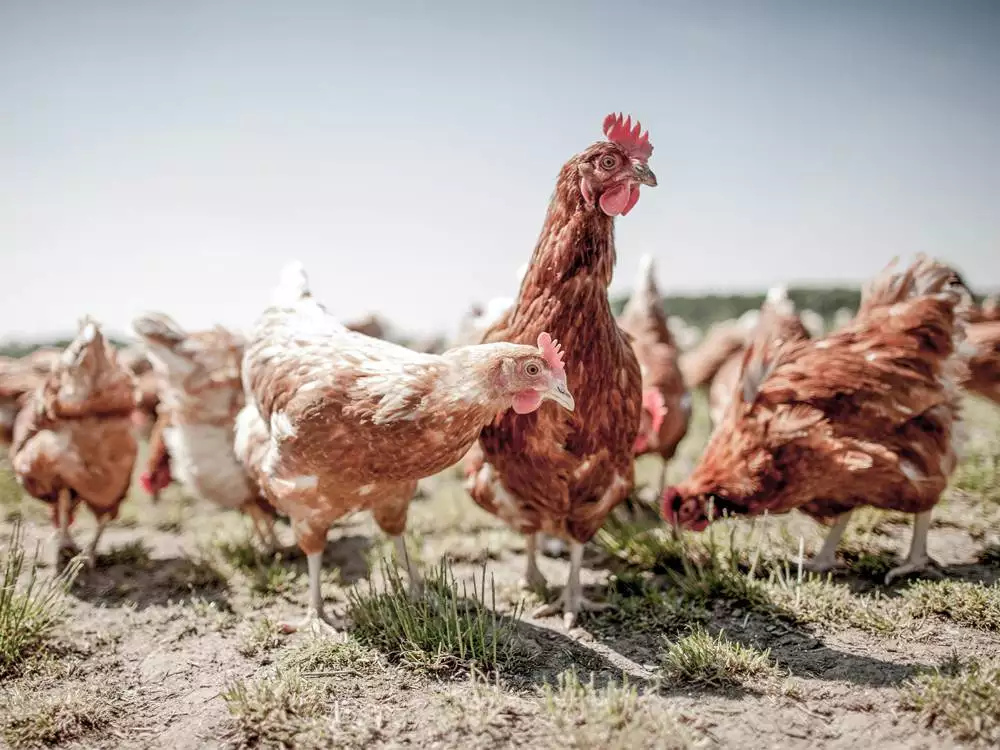
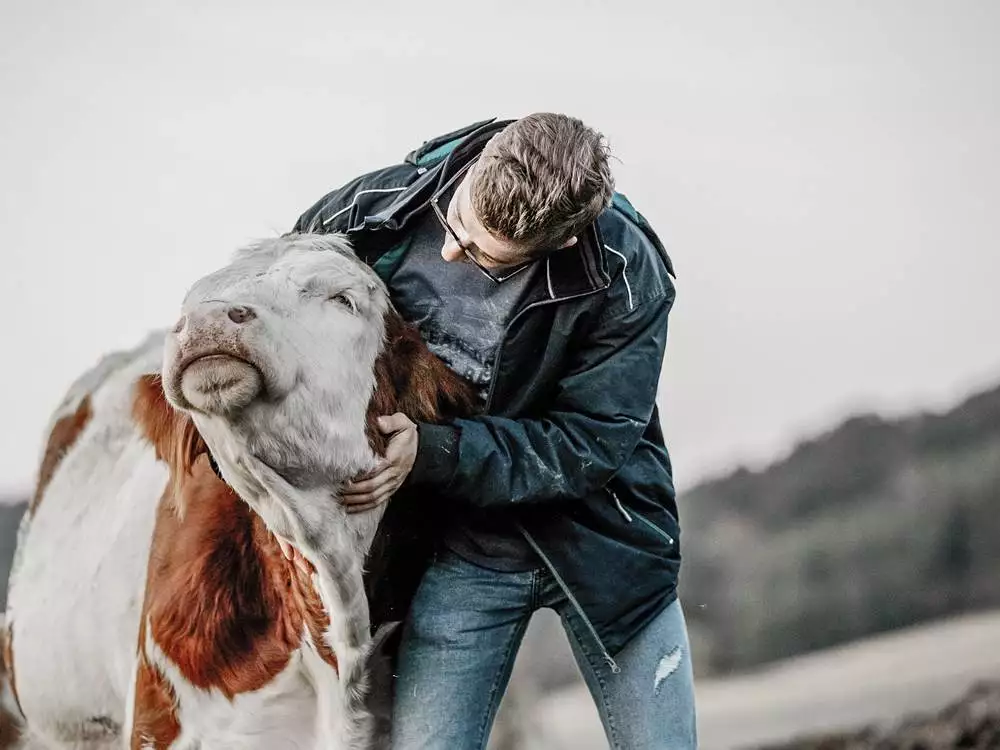
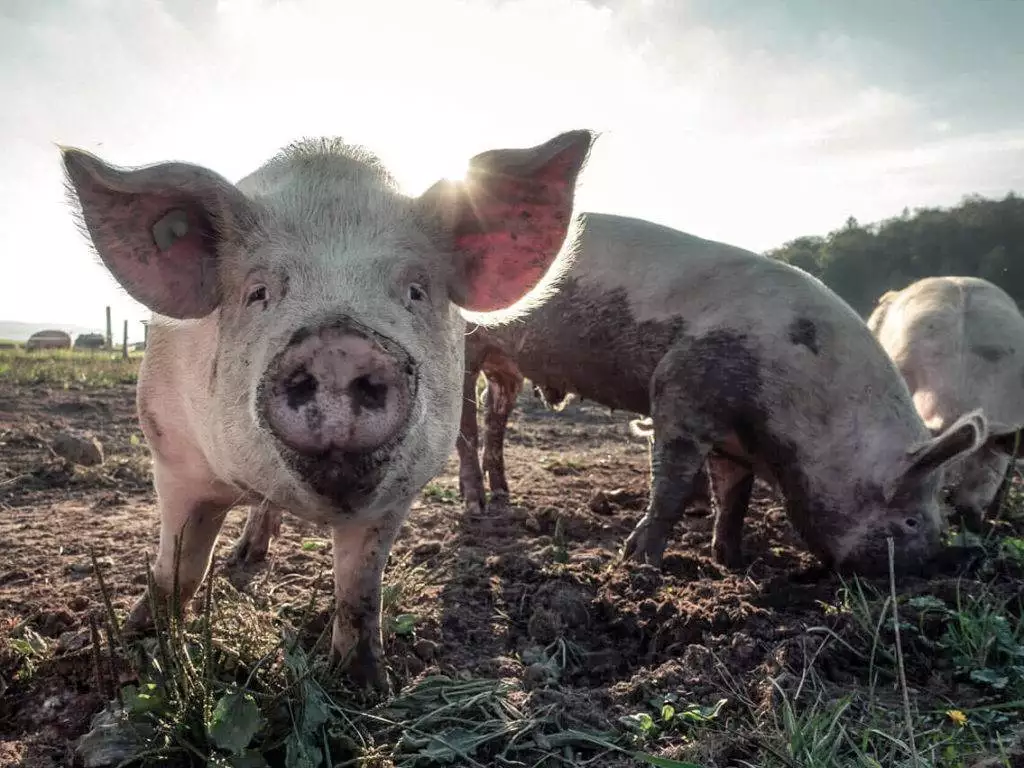
Antibiotics have been used in farming for over six decades and the Alliance to Save Our Antibiotics estimates that 66% of all antibiotics are used in farm animals (3). But things are changing.

  • In 2006, the EU moved to ban the use of antibiotics for growth promotion.
  • In 2013, the US Food and Drug Administration (FDA) established a voluntary phase-out over 3 years of shared-class antibiotics (i.e., antibiotics used in both animal and human health).
  • In 2017, the WHO recommended that animals only receive antibiotics for veterinary purposes and that healthy animals only receive antibiotics to prevent disease where other animals in the same herd, flock, etc. have been diagnosed with a disease.

The use of antibiotics and growth promoters is declining due to rising awareness of antibiotic resistance, regulation and consumer preferences.

An interesting insight into consumer preferences arose from survey work by Global Opportunity Explorer, which indicated that 37% of consumers were willing to pay a price premium of >$1 per pound for antibiotic free meat, and 86% of consumers would prefer antibiotic-free meat at their local grocery store.

The role of precision diagnostics in reducing AMR

As antibiotic use declines through greater awareness, regulation and legislation and consumer preference, there is an increased focus on disease prevention, point-of-care testing and early detection of outbreaks. It’s here that INDICAL’s precision diagnostics play a key role in helping to identify, prevent, monitor, and eradicate animal diseases.

Learn more about our complete solutions for molecular and immunological veterinary testing and how we strive to improve veterinary diagnostics for better animal and human health at www.indical.com.


References

  1. Citi Research. Global ESG & SRI: Antimicrobial Resistance and the link to Animal Health. 29 Nov 2021.
  2. https://www.who.int/news-room/fact-sheets/detail/antimicrobial-resistance. Accessed 24 January 2022.
  3. https://www.saveourantibiotics.org/. Accessed 24 January 2022. a

Meet Frederic Bermann, the driving force behind Laboratoire des Tisons, a laboratory totally dedicated to animal health. The laboratory is located an hour north of Paris in the equine mecca, Coye-la-Forêt.

Ready to handle varying sample volumes

On a regular day, the lab receives anything from 1 to >50 samples per day, so managing through put can be challenging. In addition, Frederic’s customers’ needs are rigorous. Test results are required within hours, for example to facilitate the movement of horses from country to country or in cases of a suspected disease outbreak.

 “The IndiMag 48s instrument is perfect to meet my customers’ needs.”

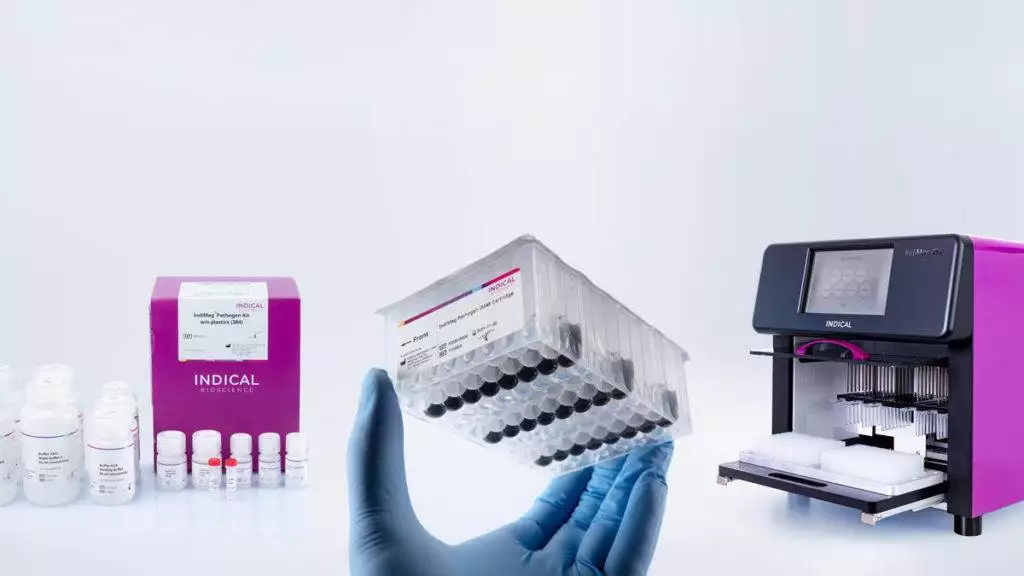
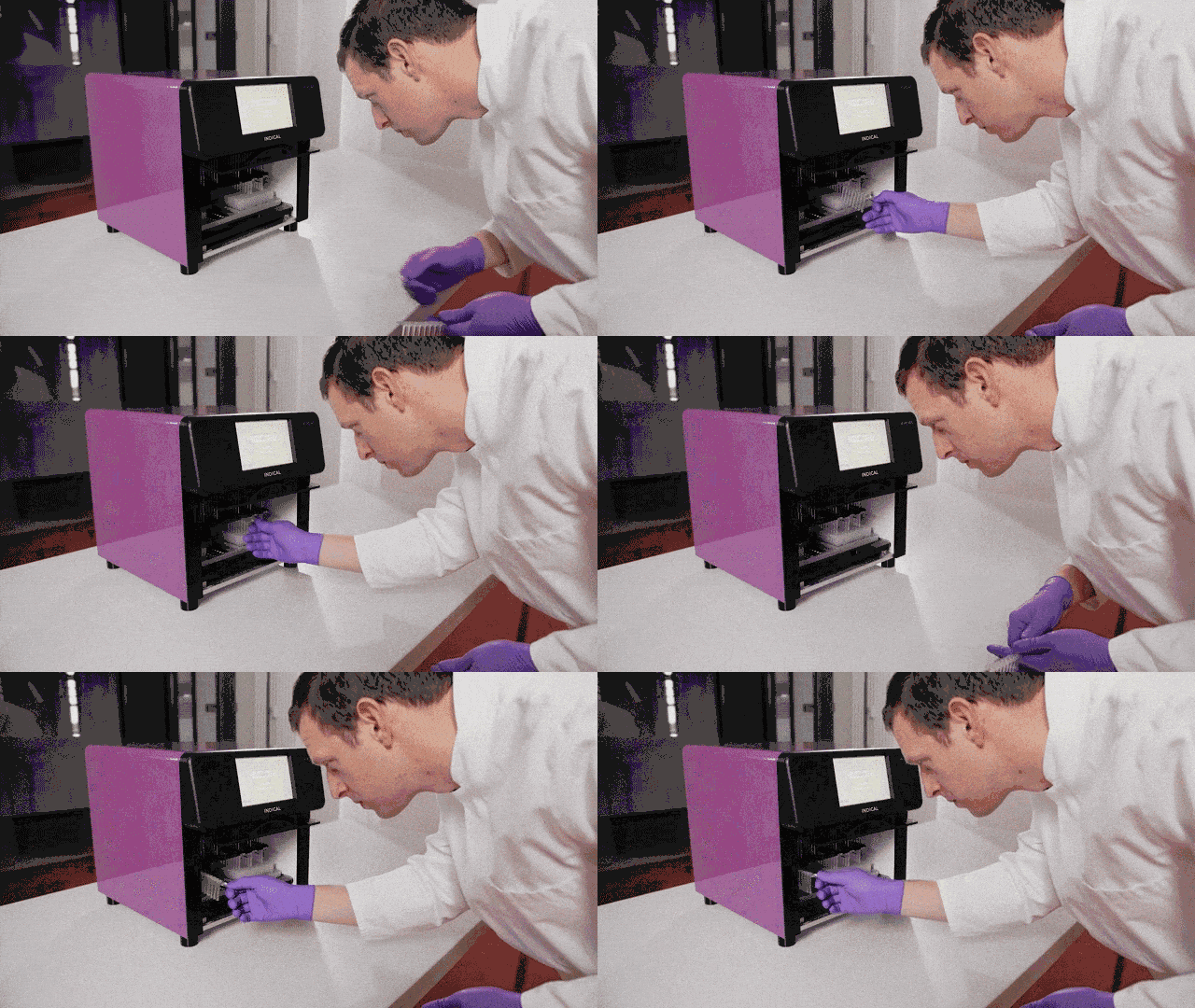
Frederic says, “The IndiMag 48s instrument is perfect to meet my customers’ needs”. Due to the flexible cartridge sizes (1, 8 or 24 samples) the team uses only the plastics they need. Furthermore, the speed of the nucleic acid extraction instrument – with a run time of just 30 minutes – enables them to provide test results fast.

One instrument for a wide range of sample types

The lab primarily tests respiratory samples with three main sample types. Virus detection uses nasopharyngeal swabs, while bacterial detection uses tracheal lavage samples. The lab also uses buffy coat samples in the detection of blood parasites piroplasmosis and anaplasmosis.

From spin column to magnetic bead-based nucleic acid extraction

The introduction of automation to the lab’s sample extraction workflow has increased its capacity and throughput – without increasing the demands placed on Frederic’s team. Automation means increased flexibility, reliability and speed in the workflow and frees up hands-on time for staff to work on other things.

Solution-oriented service team to support application

INDICAL support is always on hand. Frederic appreciates working with the INDICAL team, describing them as cheerful and solution-oriented. He is highly satisfied with the collaboration and the support his lab receives.

Learn more about the IndiMag 48s