Watch the full webinar – including Q&A – here

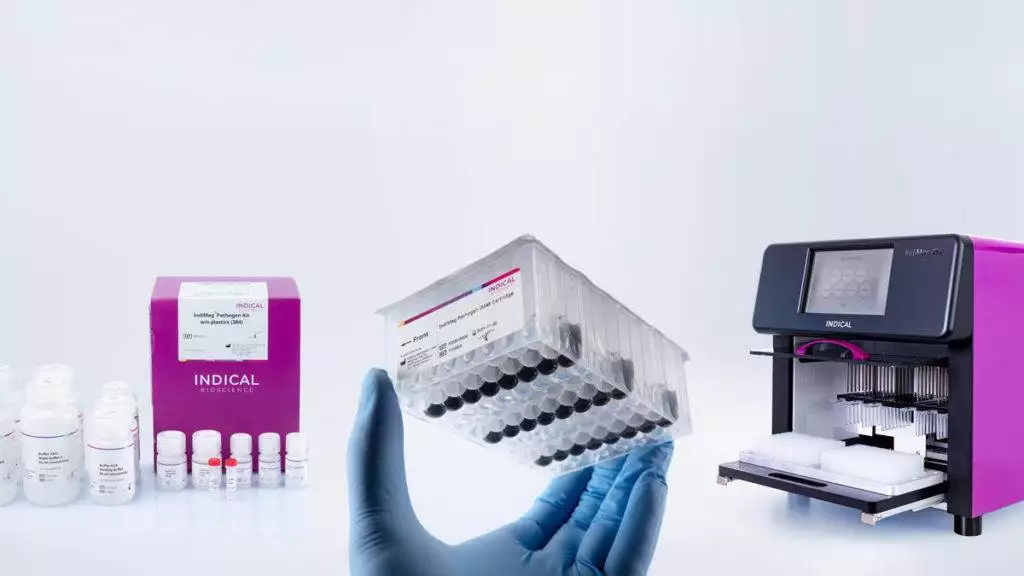
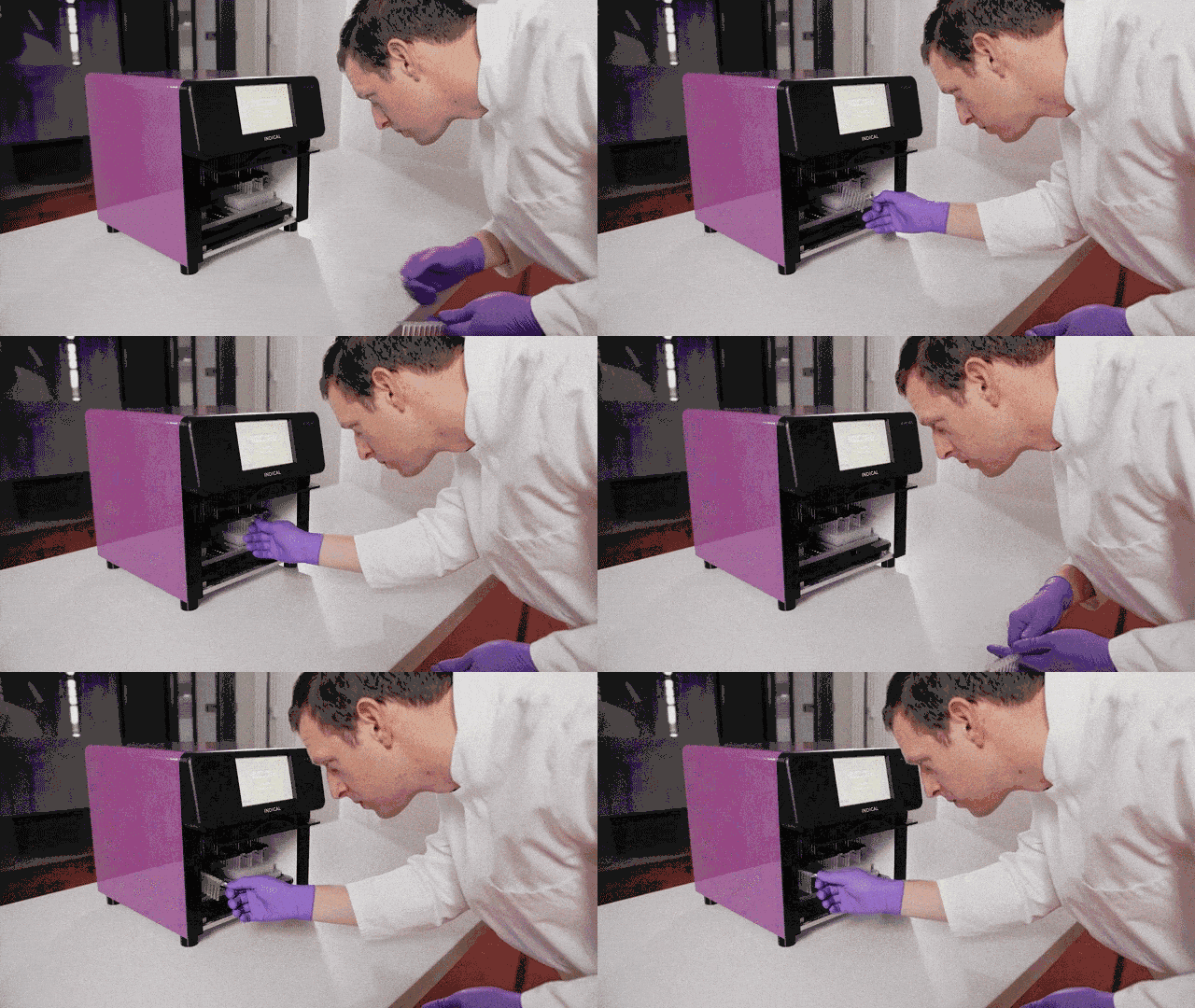
The latest in INDICAL’s series of education webinars covered the features and benefits of INDICAL’s IndiMag 48s instrument and prefilled cartridges and included a detailed video demonstration of the technology – from unpacking the instrument right through to completion of sample extraction.

User-friendly system

The IndiMag 48s has a compact footprint, ideal for many laboratories. Its user-friendly interface and open system mean that it comes preloaded with INDICAL extraction protocols but is flexible enough for users to develop their own protocols too. Cross-contamination can also be an issue in laboratories, which is why the IndiMag 48s comes fitted with a UV sterilization lamp, so you can be sure of complete decontamination.

Perhaps the greatest benefit of the IndiMag 48s is its compatibility with modular plastics. These come in three formats: single samples, 8 samples or 24 samples. Flexible plastics help minimize waste and help labs save on costs. For example, extracting 8 samples on a 96-well system uses multiple deep-well blocks, but on the IndiMag 48s, it’s just one 8-sample cartridge.

Publications

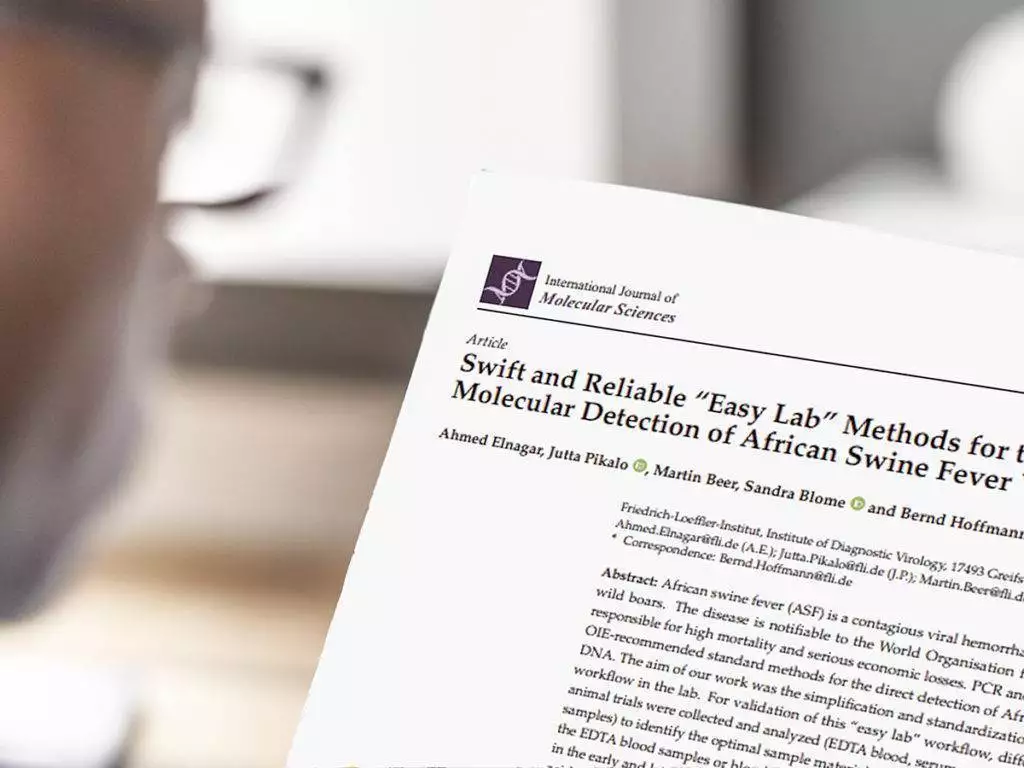
The IndiMag 48s and prefilled cartridges have been featured in many publications, covering diverse pathogens including African Swine Fever Virus (ASFV), myxoma virus, Mycoplasma bovis, porcine rotavirus A, and Classical Swine Fever Virus (CSFV). Several of these were highlighted, including:

Expert tips

INDICAL’s experts answered some frequently encountered questions.
Will increasing my sample always improve my yield of nucleic acid? No, because the extraction system is optimized for a particular sample amount.
Adding more sample will often mean less DNA, as the chemistry is saturated and becomes less efficient.

Will increasing the volume of magnetic beads improve my yield of nucleic acid? Generally, no, again because the chemistry is optimized.

How will reducing my elution buffer effect the yield of nucleic acid? Volumes
are optimized for beads and buffer and while you may be able to decrease the
volume of elution buffer, you need to ensure that all the magnetic beads are in
contact with the buffer, so a decrease in elution volume may be counterproductive.

How will heating, mechanical, enzymatic, and chemical lysis affect my yield of nucleic acid? Having all these together is generally not beneficial, but some may be combined into the extraction process, depending on the starting sample and pathogen type. Again, less is always more when considering the extraction process. If the chemistry is good enough, you don’t need to do too much and may damage the nucleic acid.

Can I treat all sample types in the same way? The short answer is ‘no’. INDICAL’s R&D group have extensive expertise in dealing with challenging sample types and optimizing the nucleic acid extraction process. If you need support with demanding extractions, don’t hesitate to get in touch for support.

Audience Q&A


Can the instrument be used to extract high-molecular-weight DNA for long read sequencing? The IndiMag Pathogen Kit can be used for different genomic applications with customer-specific protocols and the IndiMag 48s has been successfully used for this application.

Is there a specific way to place the single sample block into the IndiMag 48s? Yes, there are marks, an arrow and a notch that guides how to insert the
block into the instrument correctly.

Is there a performance difference between bottled and prefilled reagents? During development of the prefilled cartridges, we carried out extensive comparisons between the manual pathogen kits and prefilled cartridges using different sample types and different pathogens. We found no significant differences between the two methods.

How complicated is it to enter your own protocols to the IndiMag 48s? It is not complicated at all. The easiest way is to fill out a text file with all the parameters and upload that to the instrument via a memory stick. You can also do it directly on the instrument.

Discover the benefits of IndiMag 48s and prefilled cartridges for yourself.

Watch the full webinar – including Q&A – here:


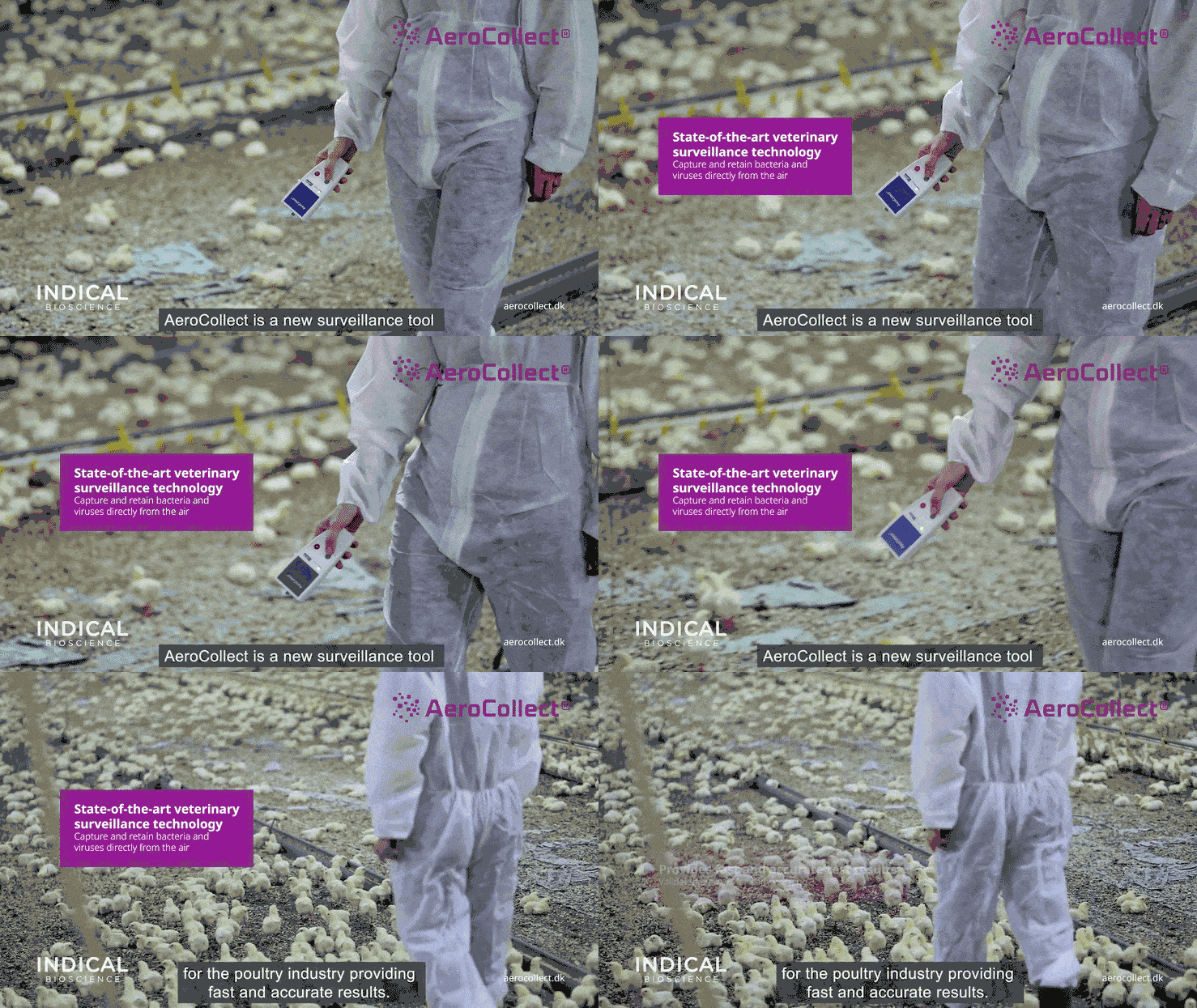
Air sampling – using AeroCollect® technology – offers new capabilities for rapid and efficient surveillance testing without compromising animal welfare. With the AeroCollect device, there is no invasive sampling involved. You simply walk around the farm, poultry or pig house holding the device. The device samples the entire flock or herd, capturing and retaining any bacteria or viruses from the air in minutes.

AeroCollect works with just three simple steps

  1. Walk the area to be sampled for 5 mins. The AeroCollect captures airborne bacteria and viruses from dust, water and cells.
  2. Send the sample to the laboratory for qPCR testing. No sample extraction is needed; the sample is flushed directly from the chamber. INDICAL reagents and buffers are validated for this step, although other reagents are compatible.
  3. Same-day qPCR results, usually within a few hours giving vets and farmers rapid, actionable results.

Early detection is enabled with AeroCollect

You can detect an outbreak as soon as the animal starts shedding the bacteria or virus, typically 1–2 weeks before conventional screening would detect it. The table
shows the pathogens currently detected with AeroCollect technology.

Pathogens detected by AeroCollect

Poultry

Salmonella spp.

Campylobacter spp.

Infectious Bronchitis Virus (IBV)

Gumboro Disease (Infectious Bursal Disease; IBD)

Adenovirus

E. coli

Marek’s Disease

Avian Reovirus

Staphylococcus spp.

Turkey Rhinotracheitis (TRT) Virus

Pasteurella spp.

Chicken Astro Virus

Avian Encephalomyelitis (AE)

Mycoplasma spp.

Avian Influenza Virus (AIV)

C. perfringens

Swine

Actinobacillus pleuropneumonia (APP)

Porcine Circovirus 2 (PCV2)

African Swine Fever Virus (ASFV)

Swine Influenza Virus

Porcine Reproductive and Respiratory Syndrome (PRRSV)

Methicillin-resistant Staphylococcus aureus (MRSA)

E. coli (F4 and F18)

Mycoplasma hypopneumoniae

Validation data Future outlook for air sampling

The webinar presented validation data for Campylobacter spp., Salmonella spp., IBV, Gumboro, APP, Swine Influenza Virus. For all pathogens:

  • AeroCollect showed very good agreement when compared with the gold-standard method (boot swab analysis) and near-perfect agreement when compared to true results.
  • AeroCollect technology can detect an emerging infection 2–4 days earlier than boot swabs.
  • AeroCollect enables closer monitoring of (for example) Salmonella outbreaks in flocks, potentially saving effort and costs that may be incurred from contaminated slaughter lines, or worse, product recalls.

Future outlook for air sampling

Field studies are still ongoing in:

  • Monitoring applications for PRRSV, M. hypopneumoniae, APP and SIV
  • Monitoring and detection of PRRSV in infection studies
  • Monitoring and detection of ASFV

INDICAL and AeroCollect are also working towards defining the best-practice framework for implementation on poultry farms.

The AeroCollect device has many more potential applications in animals, including in cattle, racehorses and game birds and several new studies are planned. Utility in human applications may also follow in the future.

Watch the full webinar – including Q&A – herehttps://www.youtube.com/watch?v=rNlyP3ogI8oTo learn more about the AeroCollect device or request a quote, visit:
https://shop.indical.com/en/instruments-and-plastics/aerocollect/

INDICAL is proud to enter a strategic partnership with pioneering air sampling technology company AeroCollect.

The technology enables detection of pathogens earlier than clinical symptoms or shedding of pathogens. Results are gathered through a 3-step method that does not compromise on animal welfare.

  1. Walk around the farm for 5 minutes with the instrument to collect the sample
  2. Send sample to laboratory
  3. Get same day results for presence of bacteria or viruses

“The pioneering technology will facilitate easier, faster and more accurate sampling in vet diagnostics to support our ambition to improve animal health globally”, says Stefano Santarelli, CEO of INDICAL BIOSCIENCE.

Read the full press release here

AeroCollect in action

AeroCollect® works by pulling a flow of air through a small sample chamber. When collecting samples, high voltage is applied to the test chamber. This creates an electric field across the sample chamber that captures and concentrates bacteria, viruses, and other microscopic particles in the sample chamber. The sample chamber is then sent to the laboratory where the content is analysed for pathogens using a qPCR analysis. The results are ready within one to two hours.

Watch the clip below to see how it works

https://vimeo.com/669780165Learn more about the AeroCollect device here